October 25, 2026


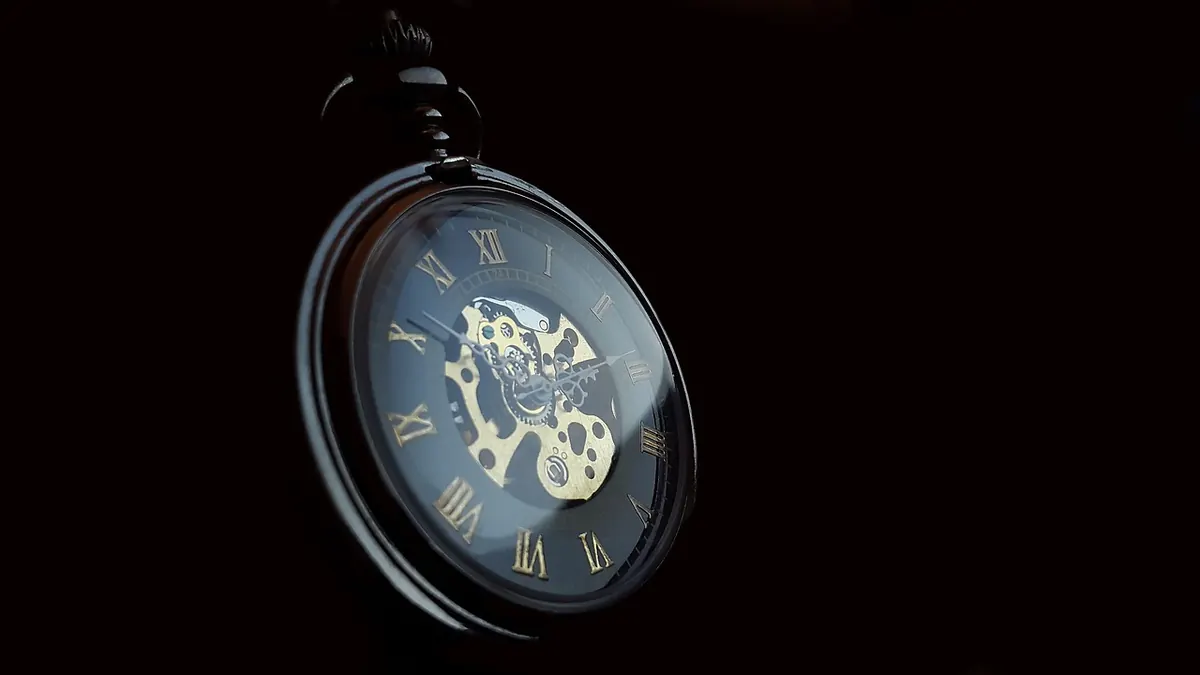
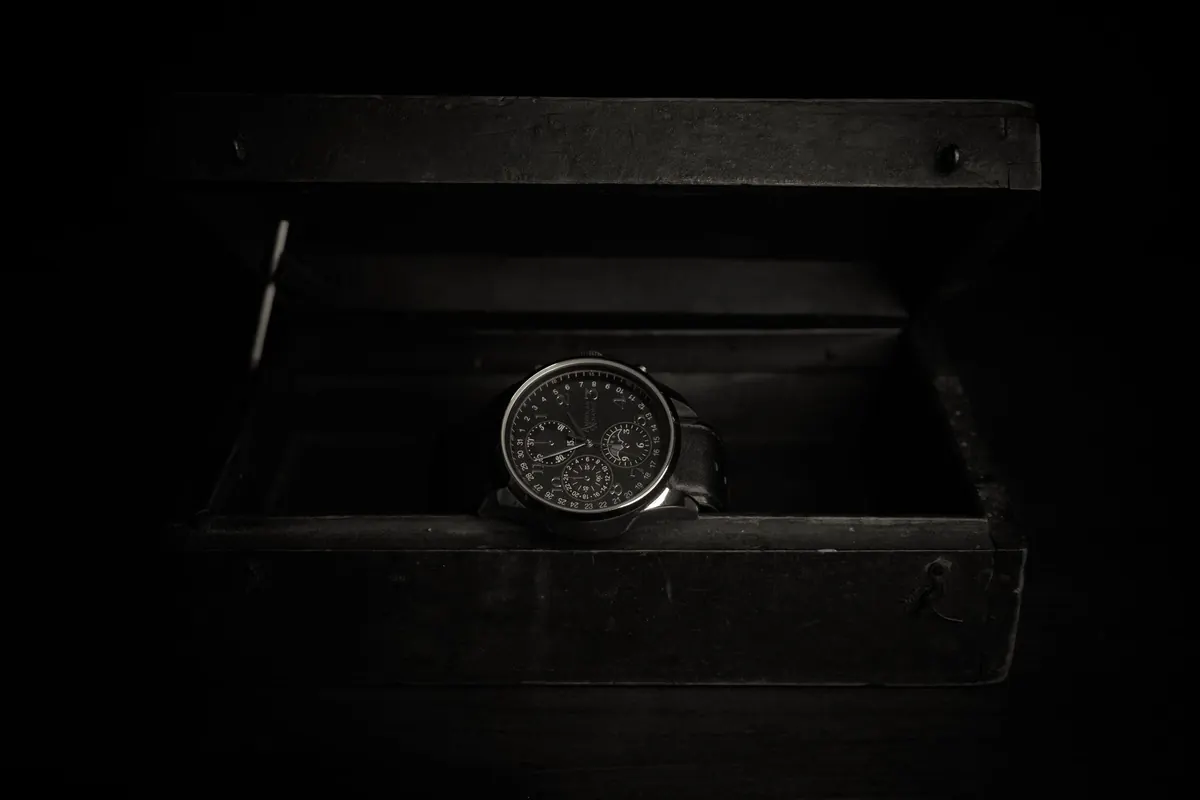
A watch is a small machine that spends most of its life either on your wrist or in a box, and the box part is where most of the trouble starts. Very little long-term damage comes from a single dramatic knock. It builds up over months: a leather strap that never quite dries, a clasp that picks up grit, a caseback left facing a radiator. None of it looks like a problem at the time.
The good news is that the fixes are cheap and mostly require nothing more than moving things a few centimetres. Below are the five storage mistakes that come up again and again, and what to do instead.
Humidity is the least visible threat and the most patient. A bathroom shelf, a kitchen drawer beside the kettle, a basement safe against an outside wall, a holiday flat by the sea: all of these hold moisture in the air that slowly works its way into places you cannot see.
The damage happens on three fronts. Leather straps absorb water, dry out, and crack along the bend; in a genuinely damp environment they can turn musty and grow mould. Gaskets, the rubber rings that keep water out of the case, harden and lose their seal over years. And if moisture gets inside the case, it can fog the crystal and, over time, leave marks on the movement.
Watch for the small warning signs: a crystal that fogs when the watch warms up, a faint musty smell from a strap, or condensation under the glass after a cold walk into a warm room. If a watch does fog internally, let it dry slowly at room temperature and have it checked rather than blasting it with a hairdryer or resting it on a radiator.
For storage, keep watches in a dry room away from bathrooms and kitchens. A few rechargeable silica gel packs in the drawer or box help, provided you refresh them as the maker instructs; a saturated pack does nothing. Never seal a damp watch into a plastic bag and assume the problem is solved.
Mechanical watches are full of tiny steel parts, and steel remembers magnetism. When a movement becomes magnetised, the coils of the hairspring can stick together and the watch starts running fast, sometimes by several minutes a day, sometimes erratically. It is one of the most common reasons a perfectly serviced watch suddenly keeps poor time.
The culprits are rarely obvious. Common ones include:
You do not need to panic about walking past a speaker. The risk comes from proximity and time: a watch left overnight on a desk beside a speaker, or stored in a drawer with a magnetic clasp, is a different matter. Keep the watch box away from electronics and give mechanical watches a bit of distance from anything that snaps a paperclip to it. If a watch does start running consistently fast, a watchmaker can usually demagnetise it in minutes, and the movement does not need to be opened.
Dust is abrasive, and a watch has several small openings that invite it in. The most common is a screw-down crown left unscrewed. The second is an open display tray or an uncovered drawer where the watch sits face up for weeks, collecting lint, pet hair and workshop dust.
Grit does its damage in quiet ways. It works under a bezel and stiffens the click. It scratches a caseback when watches are stacked on top of each other. It lodges in crown threads and makes them feel rough, which encourages people to force them. And if it reaches the movement through a worn gasket, it accelerates wear on the pivots.
The fix is simple: screw the crown down before the watch goes away, keep the pushers clean and dry, and store watches in a closed box with soft, separated compartments rather than loose in a drawer. If you do woodwork, paint or garden, keep watches out of the room while you work.
Placement causes more damage than most owners expect. A windowsill looks charming and is one of the worst places in the house: strong light fades straps and dial printing over years, and the glass magnifies heat. A spot above a radiator or beside a fireplace brings the same problem in a different form, with warm, dry air drying out gaskets and leather.
A few placements worth avoiding:
Pick a stable, shaded, dry spot at waist height or above, in a closed box with a soft lining. That is genuinely all most watches need.
Two smaller habits round out the list. The first is storing a watch with its crown pulled out. People do it to stop a mechanical watch running, but an open crown is an open door for dust and moisture, and it puts pressure on the stem. Let the watch run down naturally, or screw the crown in and accept that it will stop.
The second is how straps are treated. Leather needs air, not airtight plastic. Storing a leather-strapped watch flat or curled loosely around a cushion is kinder than bending it sharply around a narrow stand, which is where cracks begin. Fabric and rubber straps should be rinsed and fully dried before storage. Metal bracelets are forgiving but still appreciate a soft, separate compartment rather than being piled together.
On winders: they are convenient, not compulsory. A modern automatic that sits stopped for a few weeks is generally fine, and running it for a day every month or so keeps everything moving without fuss. What matters far more is where the watch sits and what it sits near.
If you want to sort this out this evening, work through the following. It takes less time than polishing a bracelet.
Do that once, and the routine tends to stick. Watches rarely fail because of one bad day. They age according to the drawer they live in, and a dry, shaded, dust-free box a safe distance from magnets will do more for a collection than any amount of polish.
Photo: congerdesign / Pixabay
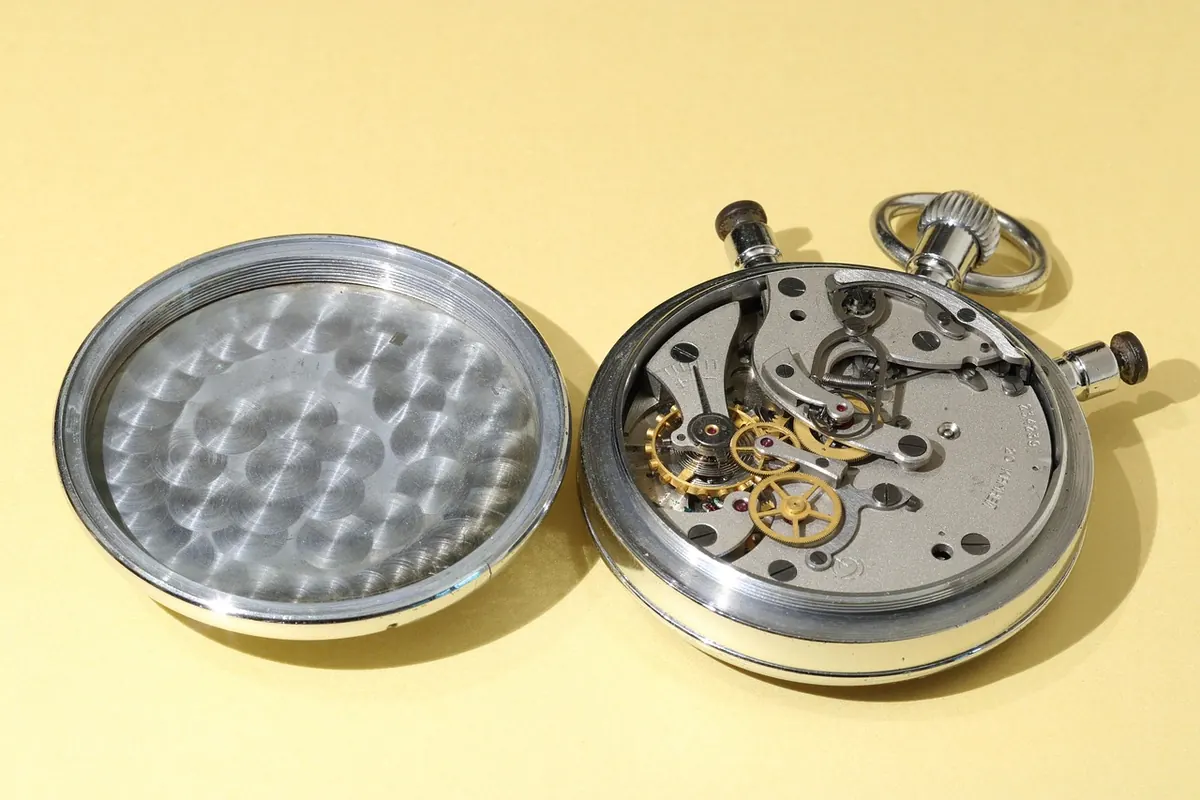
Always time for timeless watches and clocks..
Copyright © 2026 Ore Sempre. All rights reserved. Ore Sempre.